


_edited.png)
Why Is My Asphalt Cracking Already
It is one of the most frustrating things a property owner can see.
You invest in a new driveway or you finally patch up a parking lot, and then you notice cracks. Sometimes it happens fast. Sometimes it shows up after the first big season change. Either way, it feels like something went wrong.
Here is the honest truth.
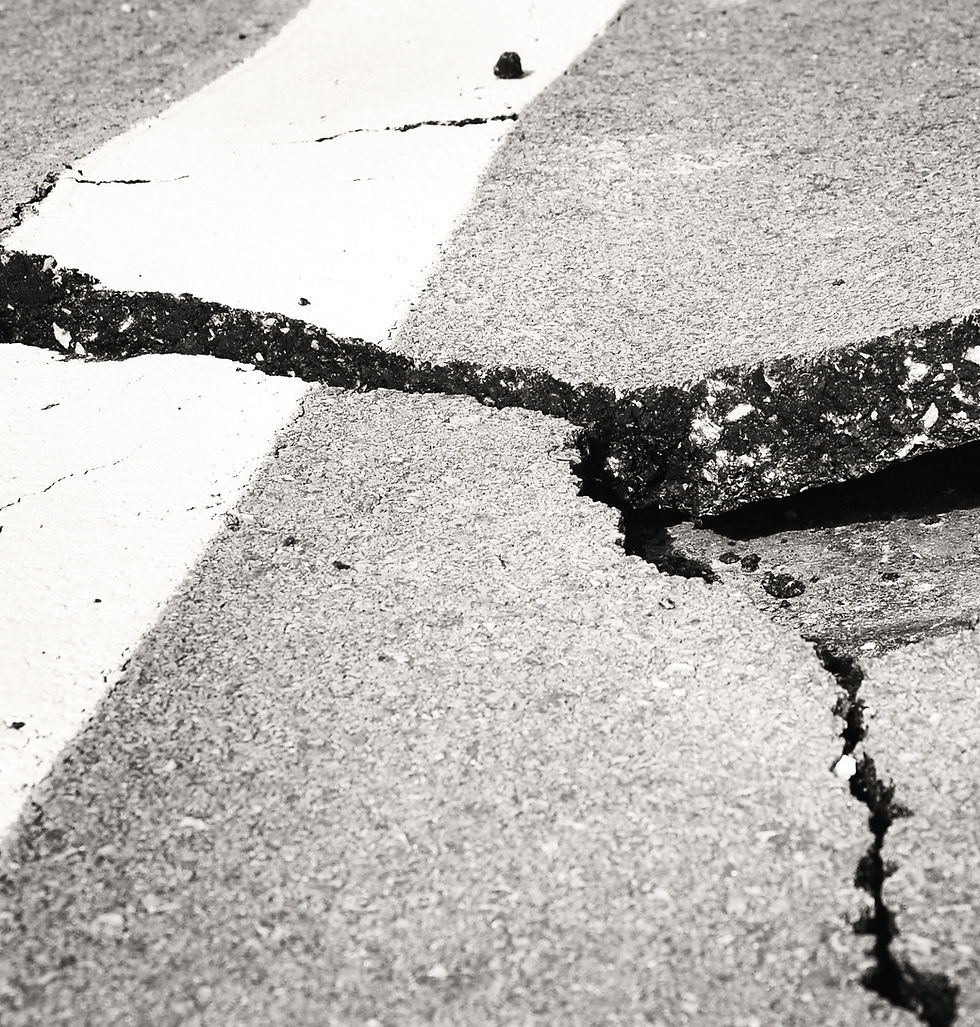
Cracks are common in asphalt, but they are not all the same. Some cracks are small, normal, and easy to manage. Others are warning signs that the base, drainage, or installation needs attention sooner rather than later.
This post will help you figure out what is happening, why it happens in Batesville and North Mississippi, and what to do next so a small issue does not turn into a bigger repair bill.
If you want a contractor to look at it and give you a straight answer, White Rock, LLC can help with asphalt paving in Batesville, driveway paving and repair, seal coating for asphalt protection, and commercial paving in North Mississippi.
First Things First: Not All Cracks Mean the Same Thing
A lot of people see any crack and assume the driveway or lot is failing. That is not always true.
The goal is to identify two things.
What kind of crack it is
What caused it
Once you know those, the fix becomes much clearer.
The Most Common Types of Asphalt Cracks
Hairline or surface cracks
These are thin cracks that look like little lines on the surface. They often appear as asphalt ages and dries out. They can also show up from minor shrinkage and surface movement.
In many cases, these cracks are manageable if you act early. Crack filling plus seal coating for asphalt protection is often the right approach when the asphalt is still structurally solid.
Edge cracks
Edge cracking happens along the borders of driveways and lots. You see it when the edge is not supported well, or when water runs off the pavement and softens the shoulder.
Common causes include:
Weak edges without proper base support
Water draining off the pavement and eroding the sides
Heavy vehicles driving too close to the edge
Tree roots and soil movement along the perimeter
Alligator cracking
This is the one that makes most people nervous, and for good reason. It looks like a pattern of connected cracks, almost like scales.
Alligator cracking usually points to base issues. It often means the pavement is flexing under weight because the foundation underneath is weak or compromised.
Seal coating alone does not fix this. It can improve appearance for a short time, but the structure underneath still needs help.
Long straight cracks
Straight cracks that run across or along the pavement can come from movement in the base, settling, or stress points. In driveways, they sometimes line up with where the ground transitions or where water collects.
Cracks near patched areas
If cracks keep showing up around older patches, the surrounding pavement may be weaker than the patch, or the patch may not have bonded properly. Sometimes it means the underlying issue that caused the first damage was never fully corrected.
Why Asphalt Cracks Early in Batesville and North Mississippi
Cracking is not caused by one thing. It is usually a combination.
Here are the causes we see most often in this region, explained in plain language.
1.The base was not built strong enough
Asphalt is only as good as what it sits on.
If the base is too thin, not compacted properly, or built on unstable soil, the asphalt above it will flex. Flexing leads to cracking, especially under vehicle weight.
This is one of the biggest reasons a surface can crack earlier than expected. You can have decent asphalt on top, but if the foundation is weak, the top layer pays the price.
2. Drainage problems and standing water
Water is the quiet enemy of pavement.
If water sits on the surface, it works its way into small pores and cracks. Once water reaches the base, it can soften the foundation and create voids. Then the asphalt flexes, and cracks spread.
In North Mississippi, heavy rain and sudden storms make drainage extra important. A driveway or lot that holds water after rain is sending you a signal.
If you keep seeing the same puddles in the same spots, the issue is not just cosmetic. It is structural over time.
3. The asphalt was installed too thin for the traffic
Thickness should match use.
A residential driveway that sees normal cars can be built differently than a commercial entrance that takes delivery trucks, service vehicles, and constant turning.
When asphalt is too thin in high stress areas, it cannot distribute weight properly. That leads to cracking in the exact spots you would expect.
Common high stress areas include:
Driveway entrances near the road
Tight turns where tires scrub the surface
Dumpster pads and loading zones
Main lanes where vehicles brake and turn often
For businesses, this is why we often talk through usage patterns before recommending a plan for commercial paving in North Mississippi.
4. The asphalt is aging and drying out faster than you think
Even newer asphalt can start to dry out if it is exposed to heavy sun, heat, and weather.
When asphalt dries out, it becomes brittle. Brittle asphalt cracks more easily. The surface can also start to look gray and rough.
This is where seal coating for asphalt protection comes in. Seal coating helps slow that surface aging, but only when the asphalt is in good enough condition for it to matter.
5. Heavy vehicles and repeated turning in the same spot
A surprising number of cracks come from repeated stress in one area.
Think about where your tires turn every day. Think about where delivery trucks swing wide.
Think about where visitors stop and brake hard.
Those patterns create stress zones. Asphalt can handle stress when it is designed for it, but if a surface is underbuilt or already weakened by water, the stress shows up as cracking.
6. Poor repair work or delayed crack sealing
Small cracks do not stay small.
If cracks are left open, water gets in. Once water gets in, the crack grows. Then the base weakens. Then repairs get more expensive.
This is why early crack repair is such a big deal. It is one of the simplest ways to stop a small problem from becoming a patching and resurfacing situation.
Is It Normal for Asphalt to Crack at All
Yes, some minor cracking can be normal over time.
Asphalt expands and contracts with temperature changes. It also ages. A few small cracks over the years are not unusual.
The bigger question is whether the cracking is:
Light and surface level
Spreading quickly
Clustered in stress zones
Connected in alligator patterns
Tied to low spots and water pooling
That is what tells you if you are dealing with normal aging or early failure.
What You Should Do When You See Cracks
Here is the practical approach we recommend.
Step 1: Take a quick look at the pattern
Ask yourself:
Are the cracks thin or wide
Are they isolated or spreading
Are they mostly near the edges
Are they in a web pattern like alligator cracking
Are they in the same spots where water sits
This quick check can help you avoid the wrong fix.
Step 2: Do not jump straight to seal coating
This is important.
Seal coating is not a crack repair product. If cracks are present, they should usually be addressed first.
Otherwise you are basically coating over problems that are still open underneath.
Seal coating for asphalt protection makes sense when the surface is structurally sound and you are preserving it, not when the pavement is actively failing.
Step 3: Fix small cracks early
If the asphalt is still solid, crack filling can be a smart move. It keeps water out and slows the spread.
Many homeowners and property managers wait until cracks are wide, then the repair options get more involved.
Step 4: If you see alligator cracking, plan for a deeper fix
Alligator cracking usually indicates the base is compromised.
Depending on severity, solutions might include:
Removing and rebuilding specific sections
Stabilizing base problems
Patching and leveling
Resurfacing with an overlay when appropriate
This is the moment to get a professional evaluation, because guessing can get expensive.
When Repairs Are Enough vs When You Need Resurfacing
This is one of the most common questions we hear, especially from property owners trying to budget wisely.
Here is a simple way to think about it.
Repairs are often enough when
Cracks are small and not spreading aggressively
The base feels stable with no major sinking
Damage is limited to specific spots
Water is not constantly pooling in the same areas
In these cases, targeted repairs plus a maintenance plan can keep the surface going.
Resurfacing may be the better move when
The surface has widespread cracking
Patches are stacking up across the lot
The pavement is uneven or rough throughout
You want a cleaner reset for appearance and function
For businesses, resurfacing is often paired with parking lot striping and layout so the property gets a true refresh.
Residential Driveways: Why Cracks Show Up So Fast Sometimes
Driveways crack early for a few common reasons.
Water runoff from gutters draining onto the driveway edge
Vehicles turning the same direction in the same spot daily
Weak edges where the base is thin
Soil movement and settling along the sides
Sealing too early on brand new asphalt, which can cause surface issues
If you are dealing with driveway cracking, driveway paving and repair is usually the right service path, because the fix depends on whether the issue is surface level or structural.
Commercial Lots: Cracks Are Often a Traffic and Drainage Story
Commercial properties have predictable failure zones.
Entrances and exits
Turning lanes
Delivery routes
Dumpster areas
Fire lane edges and shoulders
These are the spots that crack first because they carry the most stress.
If your commercial lot is cracking early, it does not always mean the entire lot needs replacement. Sometimes it means key stress zones need reinforcement, repairs, or a smarter layout plan.
That is where commercial paving in North Mississippi paired with parking lot striping and layout can make a big difference in how the property functions.
How to Prevent Cracks From Coming Back
No pavement lasts forever, but the right habits help you avoid constant repairs.
Here are the prevention steps that matter most.
Address drainage so water does not sit on the surface
Repair small cracks early before water gets into the base
Keep oil and chemical spills cleaned up when possible
Use seal coating for asphalt protection as part of a plan, not a last minute fix
Avoid driving heavy vehicles on the edges when possible
For commercial properties, design thickness and traffic patterns to match real use
Prevention is not glamorous, but it is what keeps budgets under control.
What White Rock, LLC Can Do If Your Asphalt Is Cracking
If you are seeing cracks and you are not sure what they mean, we can help you sort it out.
We handle:
asphalt paving in Batesville for new surfaces and resurfacing
driveway paving and repair for homeowners who want a long lasting fix
seal coating for asphalt protection once the surface is ready for it
parking lot striping and layout to keep commercial lots safe and organized
commercial paving in North Mississippi for lots that take real traffic and wear
Final Call To Action
If your asphalt is cracking already, do not guess and do not wait until it turns into potholes and uneven sections. Reach out to White Rock, LLC for an honest evaluation. We will explain what is causing the cracking, what can be repaired, and what your best long term option looks like for your property.


Comments